
Troubleshooting Samsung Refrigerator Cooling Issues


Understanding Common Cooling Issues
Samsung refrigerators are known for their reliability, but like any appliance, they can encounter issues. One of the most common complaints is cooling problems. If your Samsung refrigerator isn't cooling, it can be due to several reasons. It's essential to identify the root cause to find the right solution.
First, check the temperature settings. Ensure that the thermostat is set to the correct temperature, typically around 37°F (3°C) for the refrigerator and 0°F (-18°C) for the freezer. If the settings are correct and the issue persists, other factors might be at play.
Inspect the Condenser Coils
The condenser coils are crucial for the cooling process. Over time, these coils can accumulate dust and debris, which hinders their efficiency. To troubleshoot, unplug the refrigerator and locate the coils, usually found at the back or bottom of the unit. Clean them gently using a vacuum or a coil brush.
Regular cleaning of the condenser coils every six months can prevent cooling issues and enhance the refrigerator's performance. If cleaning the coils doesn't resolve the issue, consider other possibilities.
Check the Evaporator Fan
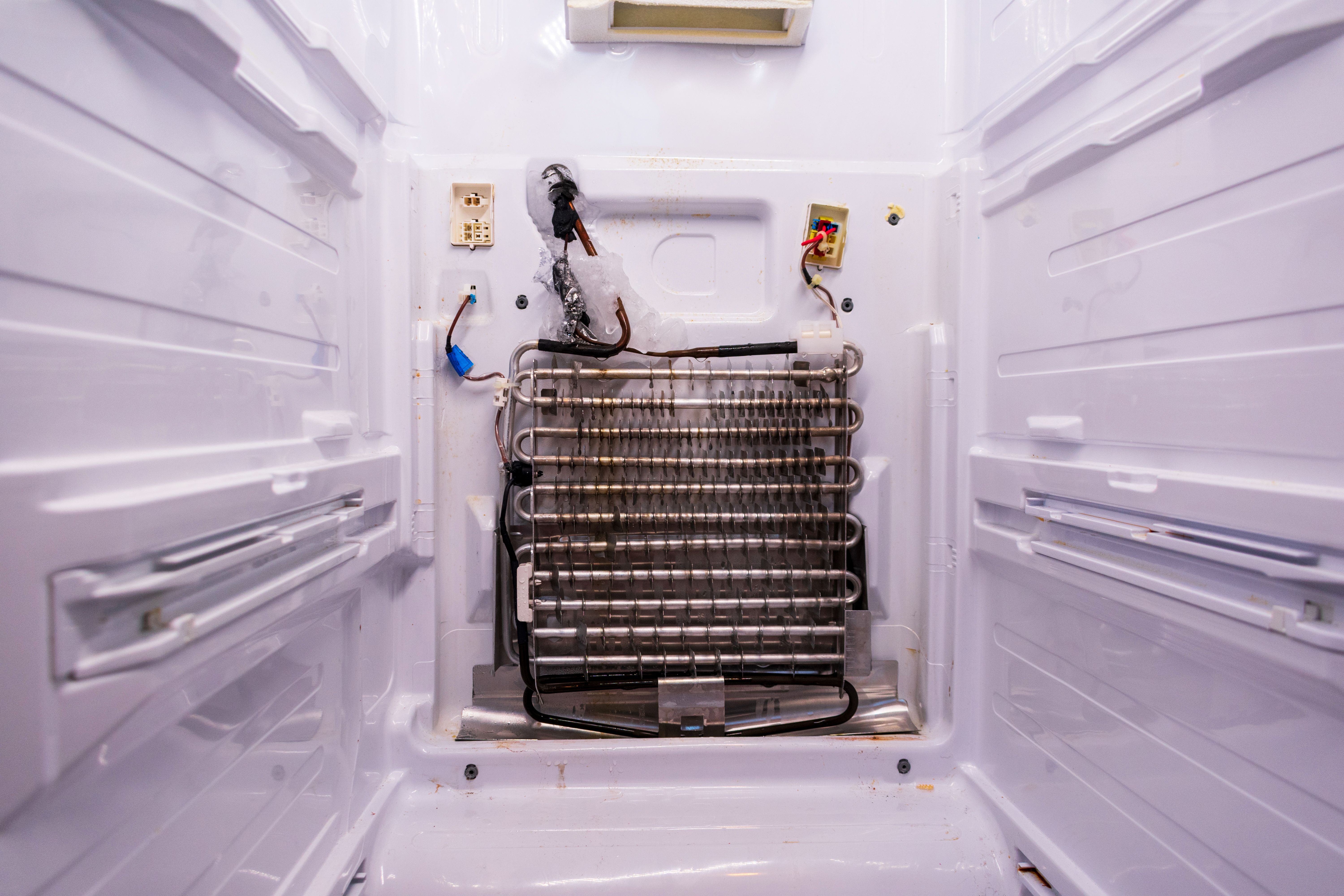
The evaporator fan circulates air throughout the refrigerator and freezer compartments. If the fan isn't functioning correctly, it may cause cooling problems. Listen for unusual noises coming from the freezer; this can indicate a faulty fan. If the fan isn't running, it may need replacement.
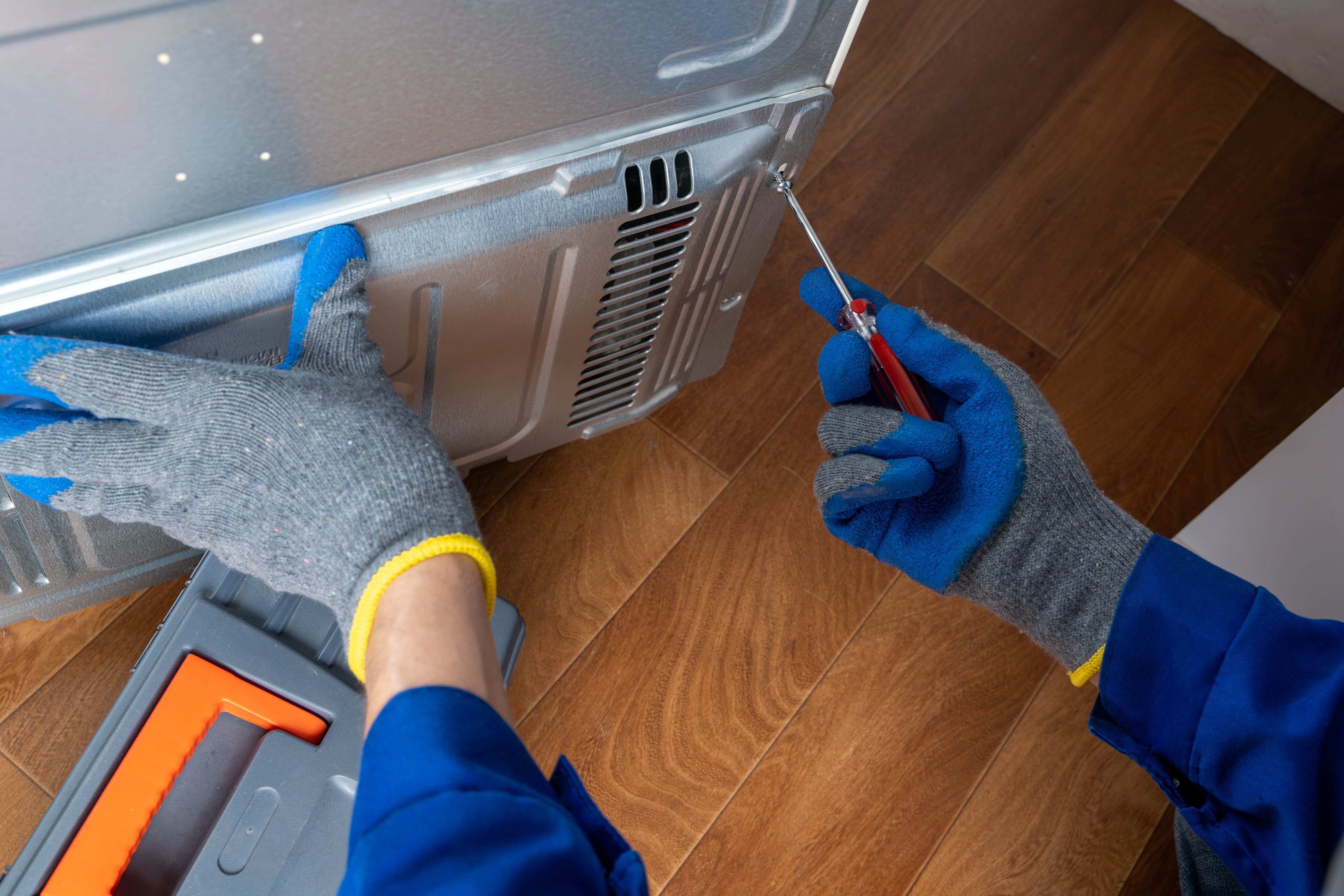
To access the fan, you may need to remove the freezer's back panel. If you're uncomfortable doing this yourself, it's wise to consult a professional technician.
Assess the Door Seals
Door seals, or gaskets, play a vital role in maintaining the refrigerator's internal temperature. If these seals are worn or damaged, cold air can escape, causing cooling issues. Inspect the seals for any cracks or gaps. A simple test is to close the door on a piece of paper; if it slides out easily, the seal may need replacing.
Replacing a faulty seal is a straightforward process. Ensure you purchase the correct seal model for your refrigerator to ensure a proper fit and function.
Monitor the Defrost System
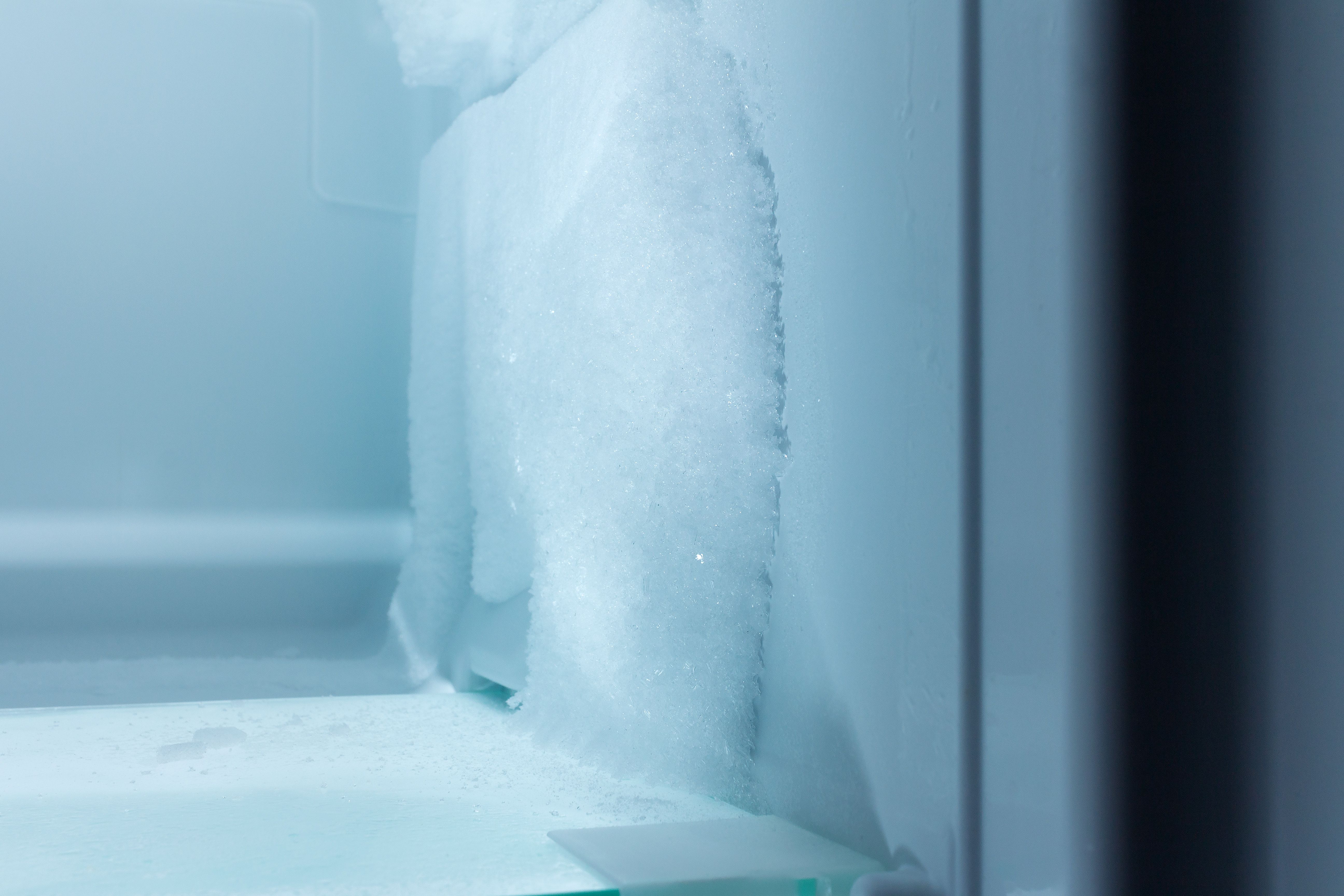
The defrost system prevents ice buildup in the freezer. If this system fails, ice can accumulate and obstruct airflow, affecting cooling. Check for ice on the evaporator coils, and if present, a malfunctioning defrost heater, thermostat, or timer might be the cause.
Defrosting the refrigerator manually can be a temporary solution, but addressing the underlying issue is essential for long-term efficiency. Professional assistance may be necessary to diagnose and repair defrost system components.
Evaluate the Compressor
The compressor is the heart of your refrigerator's cooling system. If it's not running correctly, cooling problems can arise. Listen for the compressor motor's sound; if it's silent or making unusual noises, it might be faulty.
Compressor issues are complex and typically require professional assessment. Attempting repairs without proper expertise can lead to further damage and void warranty coverage.
Consider Professional Help
If you've attempted these troubleshooting steps and your Samsung refrigerator still isn't cooling, it may be time to call a professional. An experienced technician can accurately diagnose and fix the problem, ensuring your appliance returns to optimal performance.
Regular maintenance and timely intervention are key to keeping your Samsung refrigerator running efficiently for years to come.